

Succession planting means planning more than one planting or sowing so your garden's useful season isn't tied to a single start. Before buying extra seed, sketch how a second group would fit your space and schedule. The winter planning stage is a good time to find conflicts on paper.
Start with one crop
Choose a flower you already want to grow and read the supplier's instructions for that exact variety. Record the recommended planting method, spacing, and expected time to flowering. Treat those figures as planning information rather than a guarantee. Weather and growing conditions can change the result, and different crops don't all respond to the same interval.
Make a simple planning grid
Draw columns for crop, planned sowing, intended planting-out period, bed location, and notes. Add a second row for the same crop only if you have a reason for it, such as wanting another group later in the season. Check that the second row has somewhere to go. A seed-starting date without available bed space is an unfinished plan.
Include your own calendar
Mark holidays, travel, and weeks when you can't tend seedlings. If two groups will need transplanting during your busiest week, adjust the plan now. Consider whether you need a fresh area or will remove an earlier crop. Do not assume every plant will finish on the day shown in a catalog.
Questions for each extra sowing
- What gap is this intended to fill?
- Is the crop suitable for another sowing locally?
- Where will those plants grow?
- Who will care for them during the seedling stage?
- What will I record to improve next year's timing?
A small, observed experiment is a useful beginning. Try a manageable second group, label it clearly, and record what actually happens. You can build a more detailed succession plan from your own results instead of copying a schedule from a different climate.
A useful next step
Explore the Plant Library. For related guidance, read Our beginner cutting-garden guide.
Further reading
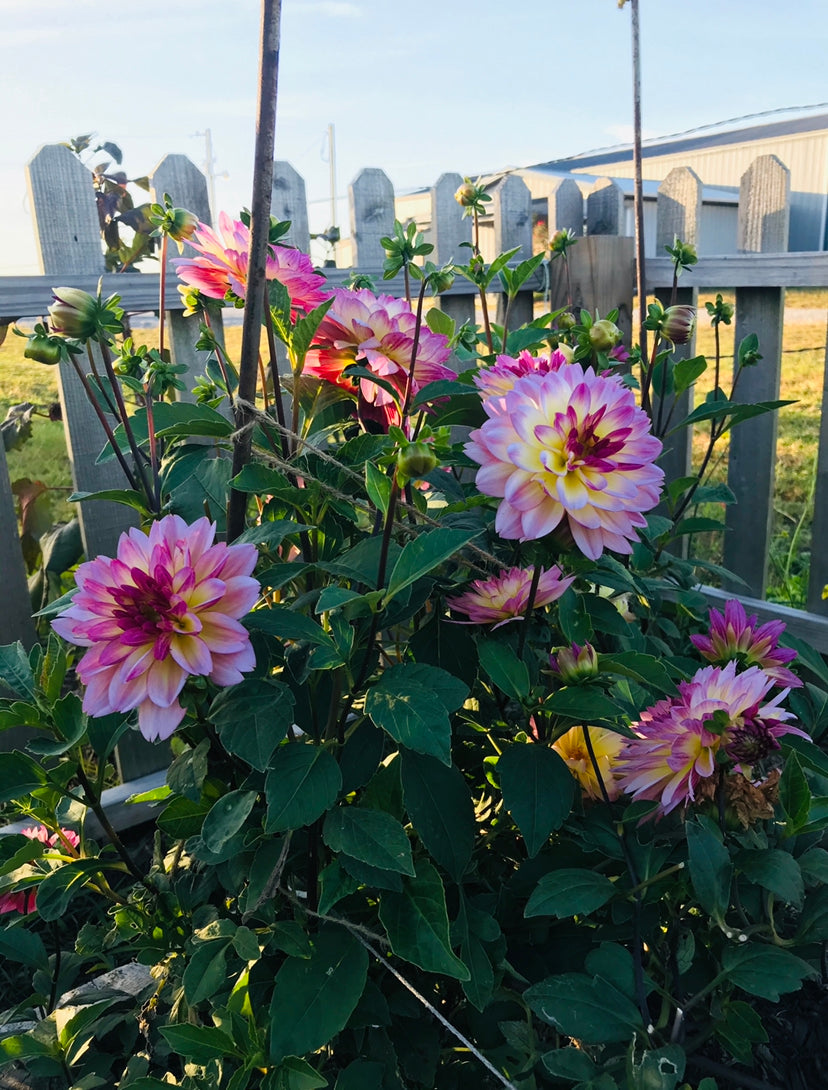
Featured photograph: flowers shown as an illustrative reference. The photograph does not show the planning worksheet, tools, stored tubers or seedlings discussed, and does not establish current stock.
Share:
How Tall Should a Thanksgiving Table Arrangement Be?
Sending Sympathy Flowers in Fairfield: A Gentle Planning Guide